Newyddion Celf | Art News

[Click for English below]

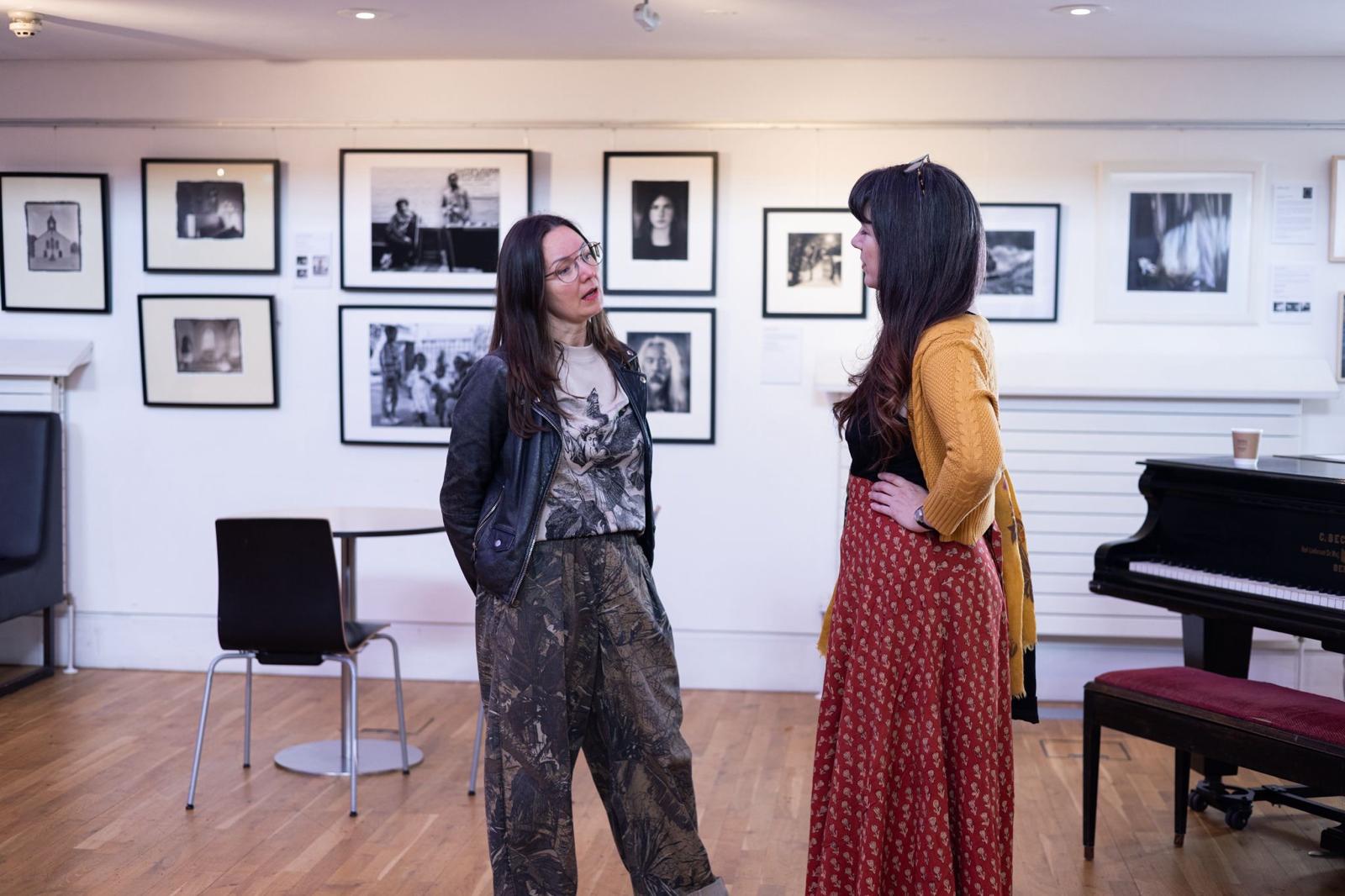
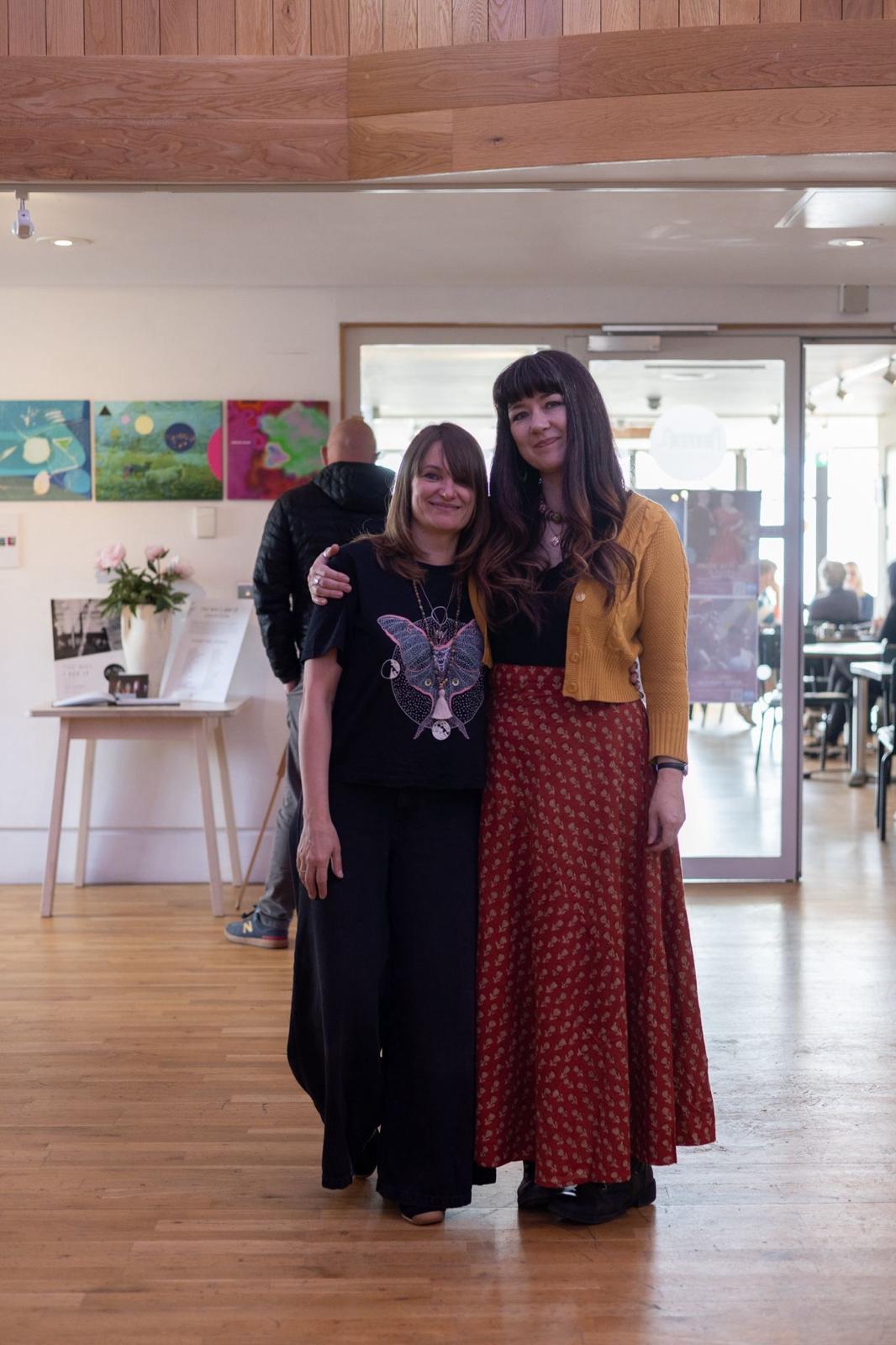
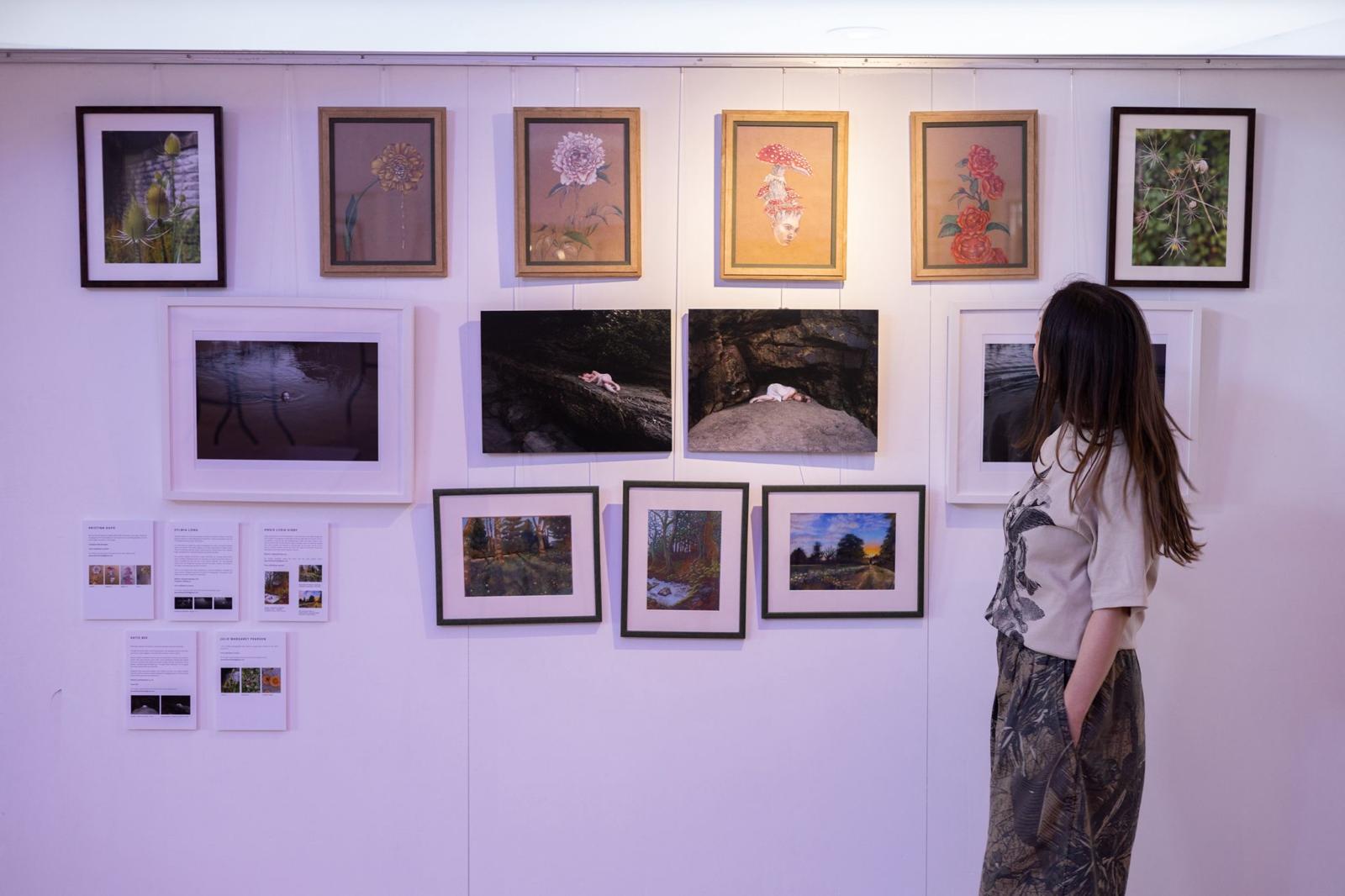
Rwy’n llawn cyffro i rannu’r newyddion bod ychydig o fy mhaentiadau diweddara yn rhan o arddangosfa, o’r enw, ‘Y Ffordd Rwy’n Ei Weld’, ym Mhafiliwn Môr-rodfa Penarth. Trefnwyd yr arddangosfa hon gan y grŵp celfyddyd greadigol a ffotograffiaeth, Penarth Lens Friends, dan arweiniad Inga Krik.

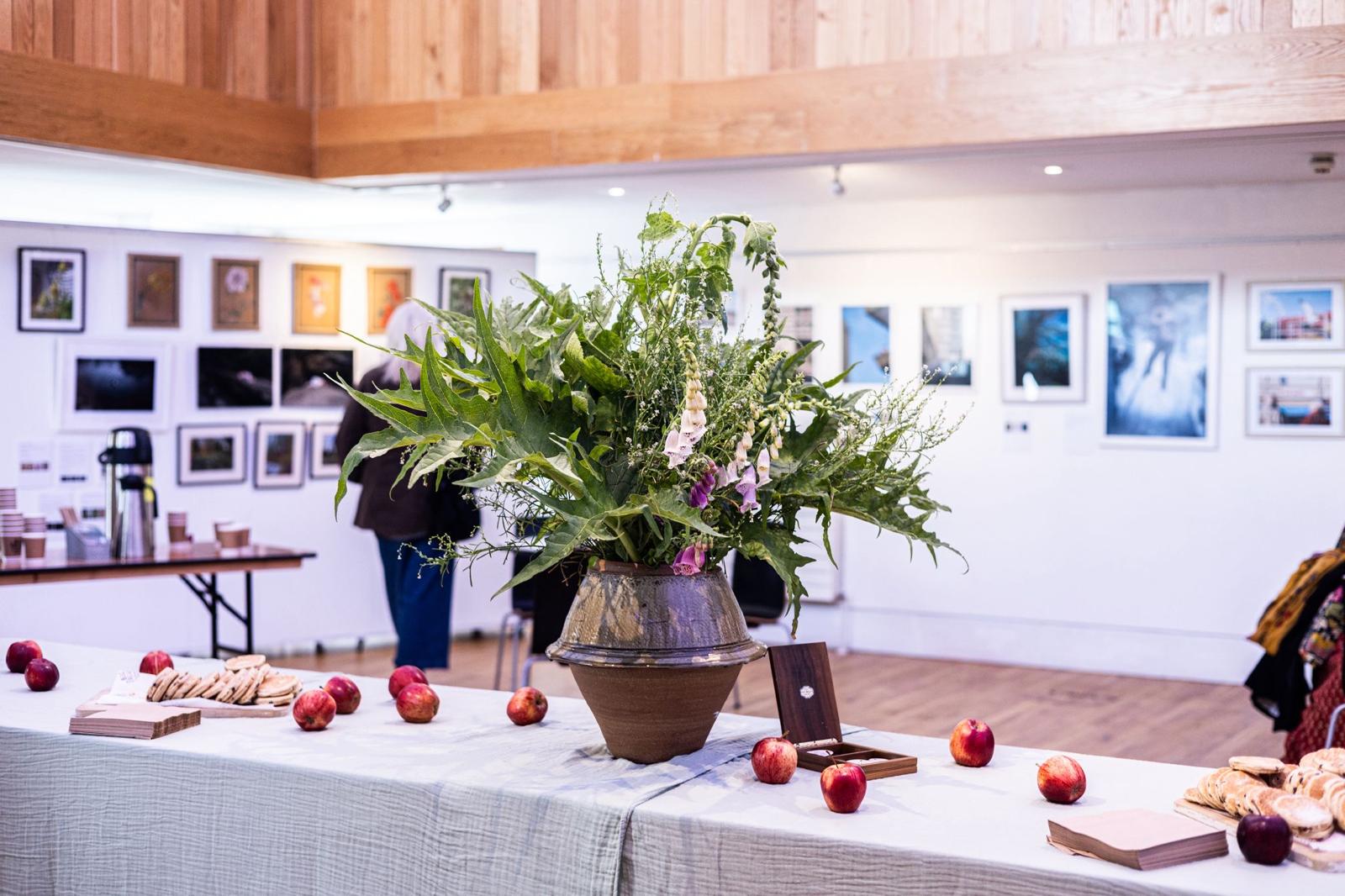
Gaethom ni fore agored ar ddydd Sul, gyda pica maen, coffi ac afalau wedi’u trefnu’n gelfydd!
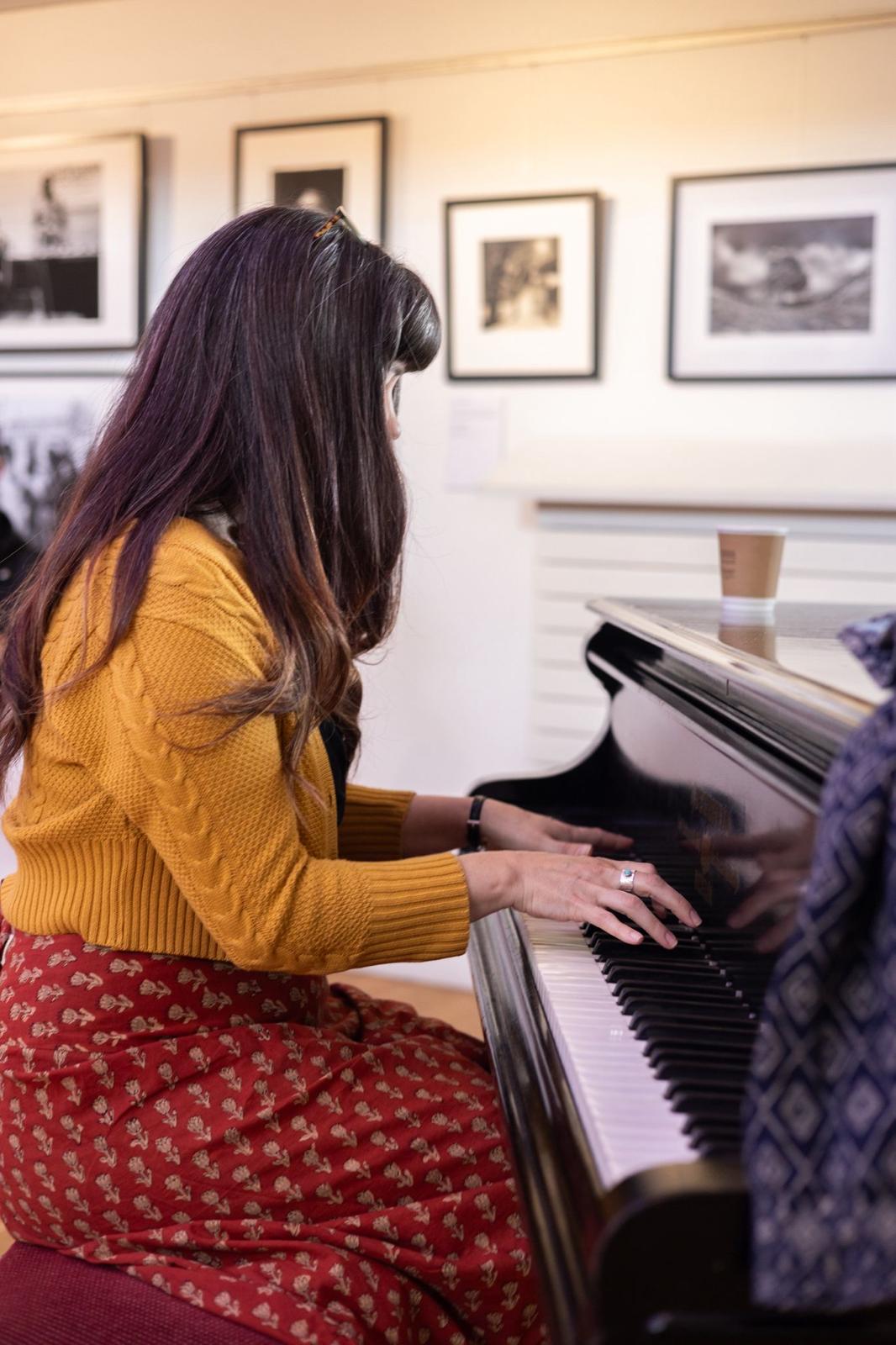
Lluniau gan Inga Krik & Pete

Dyma’r tro cyntaf dwi wedi arddangos fy ngwaith, ar ôl dod nôl i beintio yn eitha diweddar. Cyn 2020, cerddoriaeth oedd fy mhrif ffocws, ond pan gaeth popeth ei ganslo yn nryswch ac anhrefn y pandemig, ro’n i’n teimlo bod angen i mi wneud rhywbeth tawel, araf a heddychlon fy mod i’n gallu gwneud ar ben fy hun, yn fy swigen bach fy hun. Dyna sut des i nôl i beintio.

Yn ystod y blynyddoedd diweddaf, dw i wedi abrofi gyda gwahanol gyfryngau, ond yn fwyaf diweddar, dw i wedi ffeindio pastelau meddal eto. Ro’n i wedi anghofio faint dw i wrth fy modd gyda’r cyfrwng hwn! Gallwch chi creu tirweddau mor feddal, breuddwydiol gyda fe, a’i haenu i greu tonau diddorol, golau sy’n tywynnu a chysgod dwfn. Bydda i’n bendant yn arbrofi mwy gyda’r cyfrwng hwn!

Dyma beth ysgrifennais i ar gyfer yr arddangosfa:

“Mae Angie Lydia Kirby yn amgylcheddydd, artist, ysgrifellydd, cantores a chyfansoddydd o Gaerdydd. Mae’r detholiad hwn wedi’i ysbrydoli gan ei chariad am natur; ymdrech i adlewyrchu’r ddawns fywiog rhwng golau a lliw a welir yn y byd naturiol. O arwyddion gobeithiol cyntaf y gwanwyn – mae’r coed a’r daffodiliau yn dihuno o’u cwsg ac yn torheulo yn heulog yr hwyr, i liwiau machlud meddal, breuddwydiol o’r haf dwfn, i olau oer, hollol ganol gaeaf, wedi gwrthbwyso gan dail yr hydref yn pydru a mwsoglau gwyrdd llachar.”
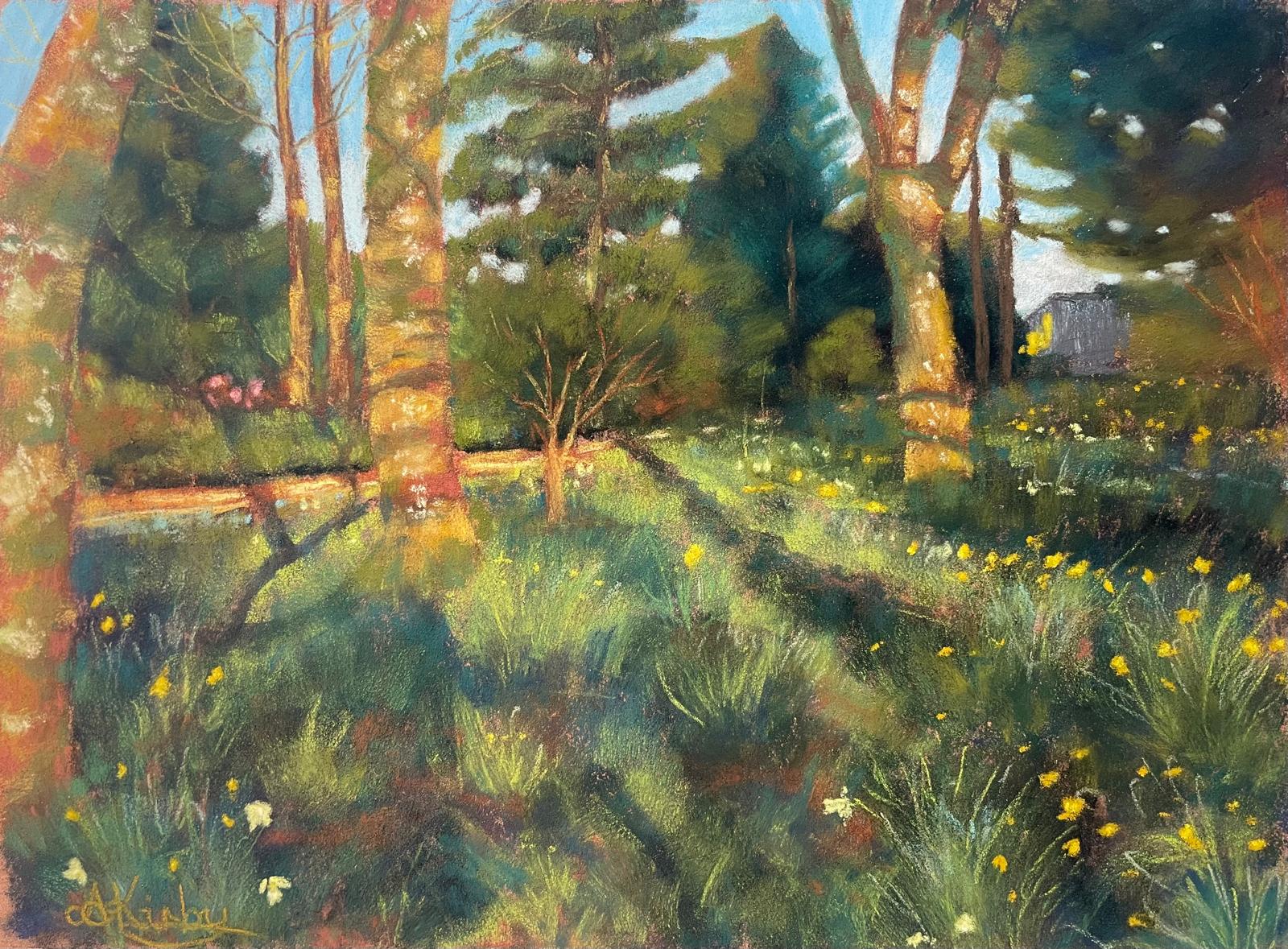
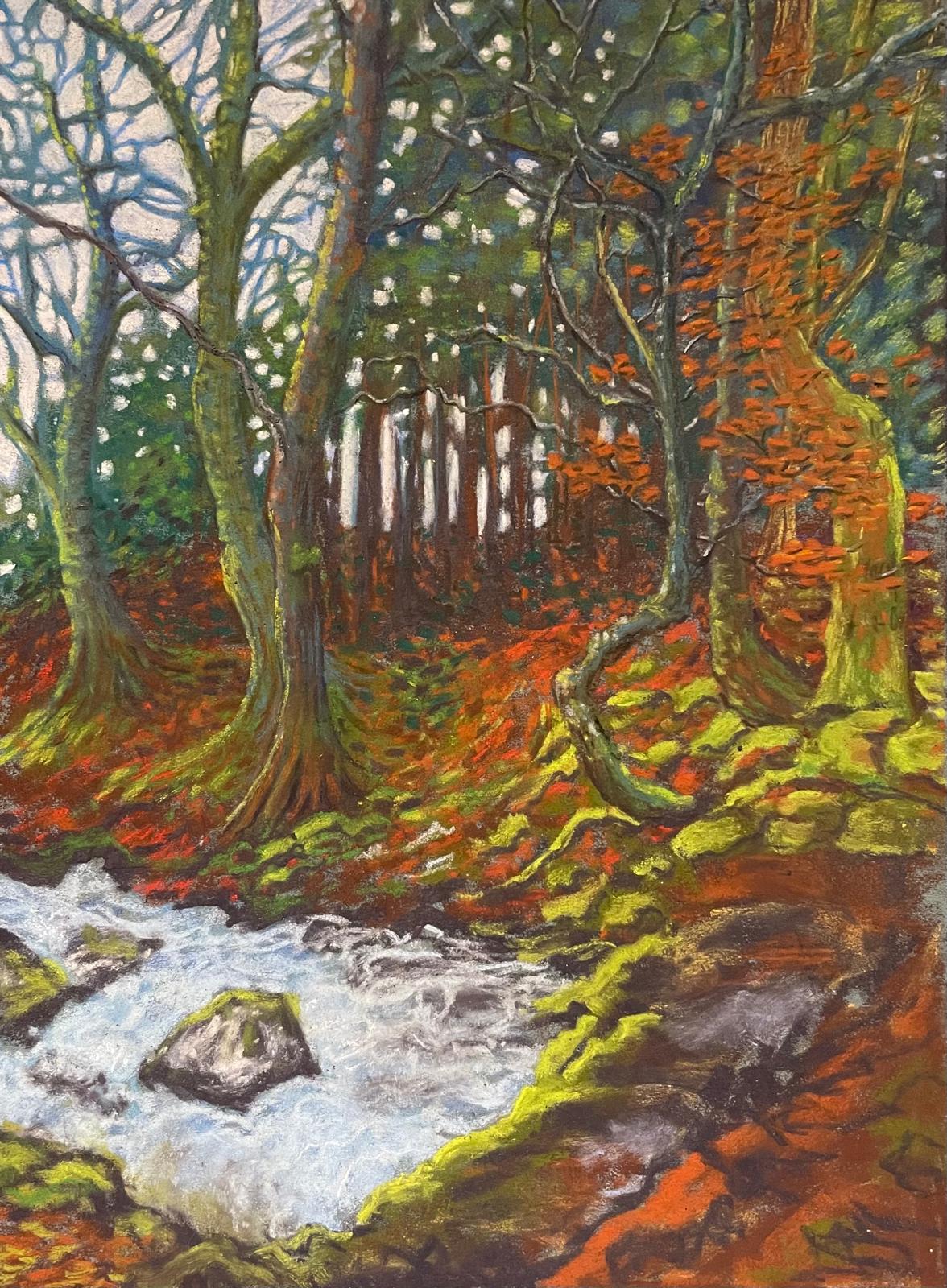
Os dych chi’n lleol i Gaerdydd Penarth, neu dych chi’n ffansïo ymweld, dewch i weld rhai gweithiau celf ardderchog a chefnogi grŵp hyfryd o artistiaid lleol!

Cymerwch sbec ar Inga Krik & Penarth Lens Friends 🙂

[English]

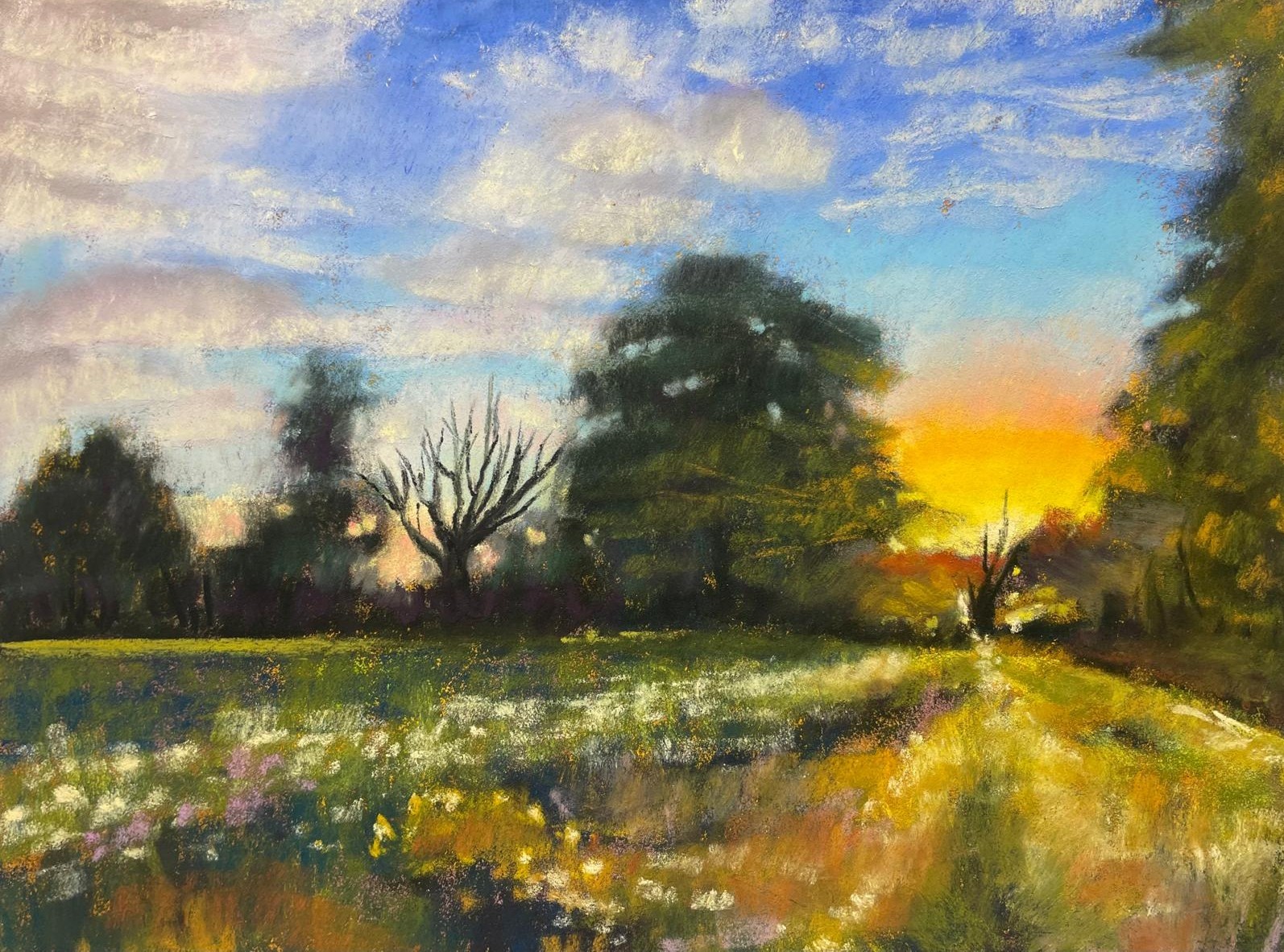
I’m very excited to share the news that a few of my most recent paintings are part of an exhibition, called The Way I See Itat Penarth Pier Pavilion for the month of June (2026). This exhibition has been organised by the creative art and photography group Penarth Lens Friends, led by illustrator and photographer, Inga Krik.

We had an open morning on Sunday, with ‘pica maen’ (Welsh cakes), coffee and artfully arranged apples!
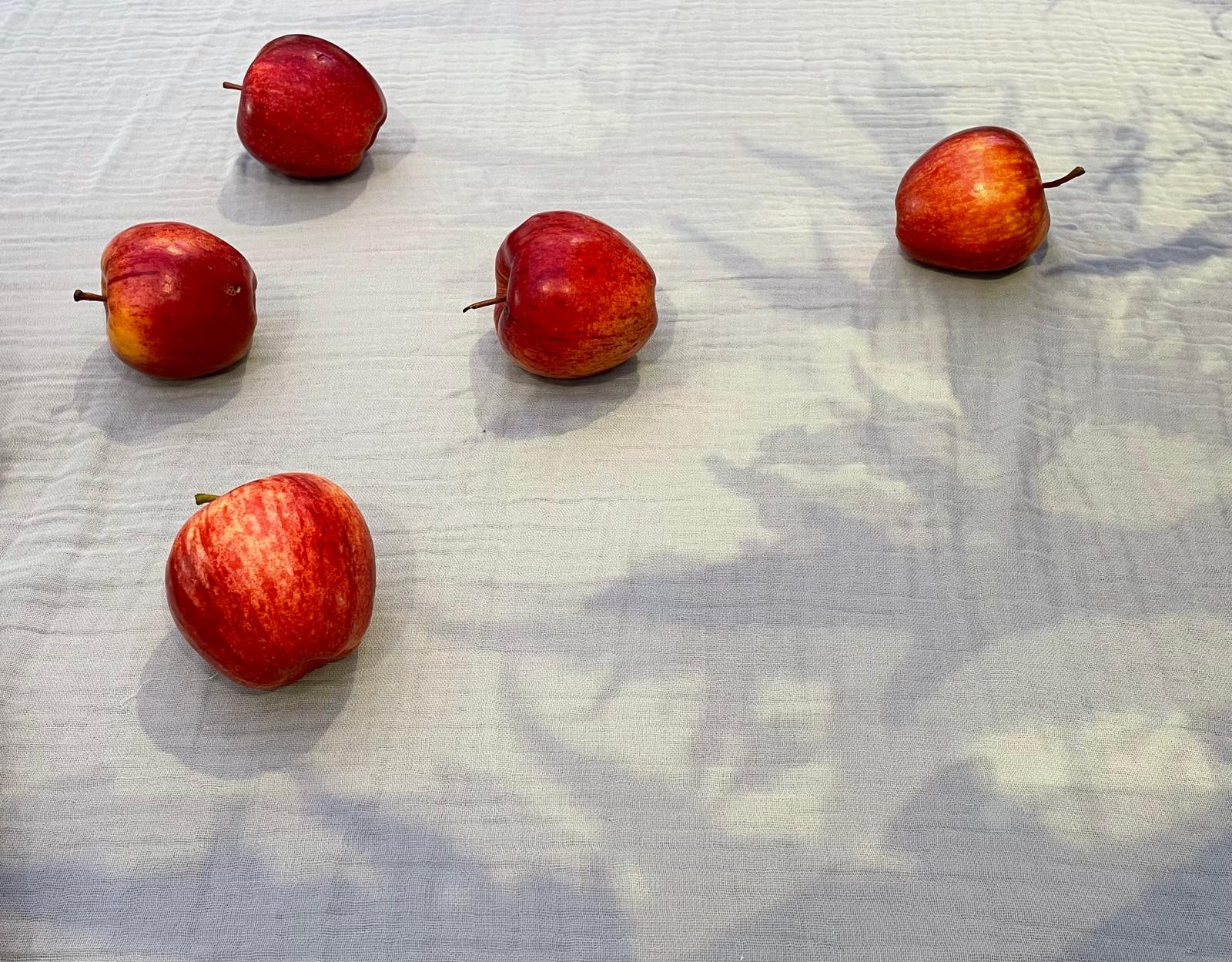
Photo credit: Angie Kirby

This is the first time I’ve exhibited my work, having come back to painting fairly recently. Prior to 2020, music was my main focus, and when everything got cancelled amongst the confusion and chaos of the pandemic, I found I needed to retreat to something quiet, slow and peaceful that I could do on my own, in my own little bubble. This is how I found my way back to painting.

The last few years I’ve experimented with various mediums, but most recently I’ve found pastels again. I had forgotten how much I love them! You can create such soft, dreamy landscapes with them and layer them to create interesting tones, suffused, glowing light and deep shadow. I will definitely be experimenting more with this medium!

This is what I wrote for the exhibition:

“Angie Lydia Kirby is an environmentalist, artist, wordsmith and singer-songwriter from Cardiff. This selection of paintings has been inspired by her love for nature; an attempt to capture the ever-changing play of light and colour found in the natural world. From the first hopeful signs of spring – trees and daffodils waking from their slumber and basking in evening light, to the hazy, dreamy sunset colours of deep summer, and to the cold, stark light of mid-winter, off-set by decaying autumn leaves and vivid green mosses.”

If you’re local to Cardiff Penarth, or indeed fancy a visit, please pop along to see some fabulous artworks and support a lovely bunch of local artists.

Please check out Inga Krik & Penarth Lens Friends 🙂
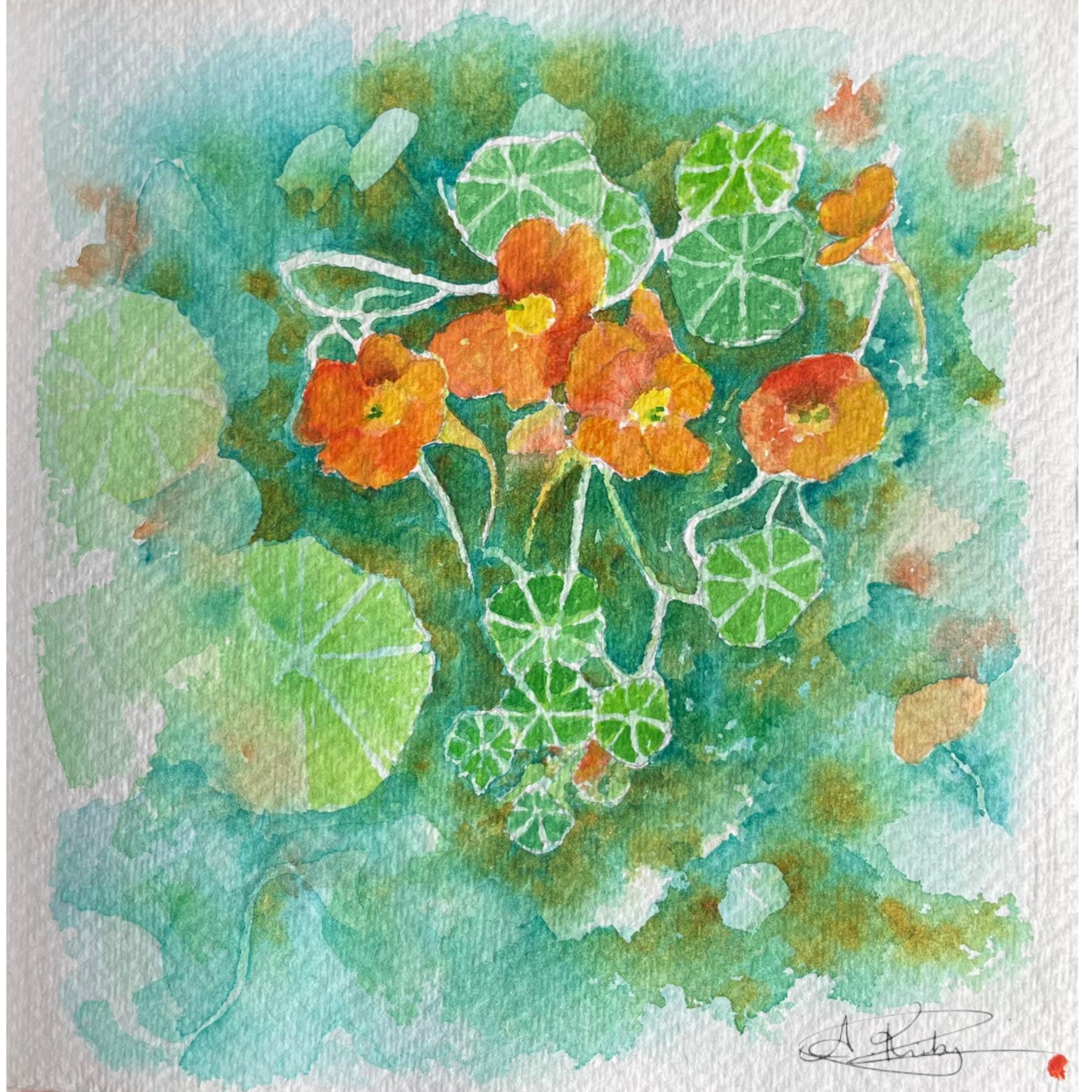
Nasturtiums

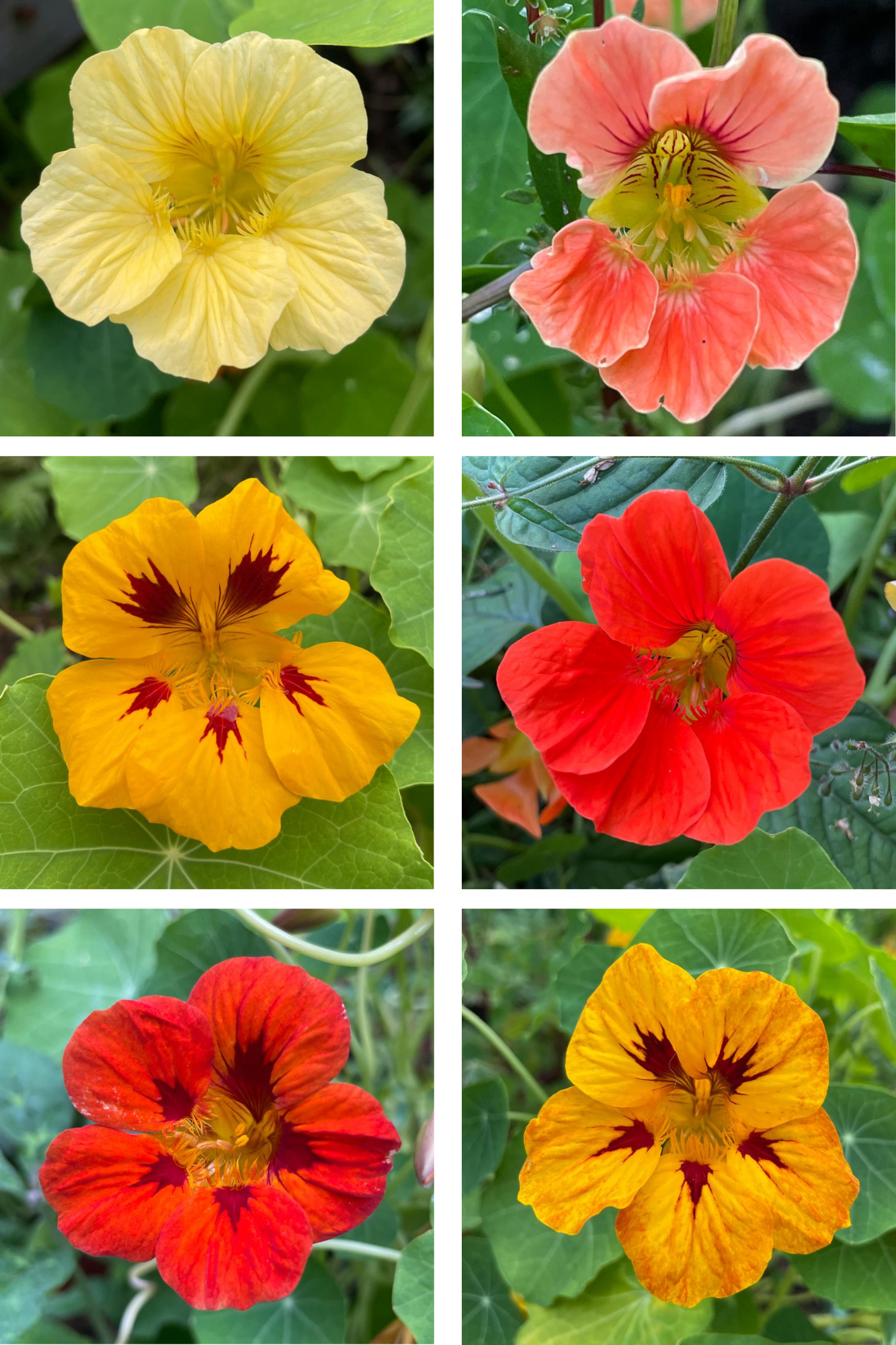
I shall never regret, once upon a time, buying a packet of nasturtium (Tropaeolum majus) seeds to sow in our garden. They are some of the most cheerful annuals, climbing, tangling, scrambling and cascading among the other plants and flowers in a riot of colour and elegant, lily pad shaped leaves. They cannot help but look art nouveau. They are profuse self-seeders, which might put some people off, but they’re guaranteed to make an appearance every year with zero intervention. We originally started out with yellow and acid-orange flowers, but thanks to the wonders of cross-pollination, we now have a huge variety of colour combinations! (See images below).

They’re a fantastic food source for pollinating insects and it’s wonderful watching bees nestling into the pollen cup and buzzing contentedly from flower to flower. They are also beloved by cabbage white butterflies (Pieris rapae), who lay their eggs on the underside of the leaves. These caterpillars can double their biomass in the space of a day if their food source is plentiful. Personally, I’m more than happy to share our nasturtiums with these little fellows. 

As cruel as it sounds, nasturtiums can also be used as a sacrificial plant when growing certain vegetables and flowers, as they attract blackfly in abundance, hence the term sacrificial – they really do lay waste to these plants once they get a foothold. The more euphemistic term ‘companion’ plant may also be used here. 

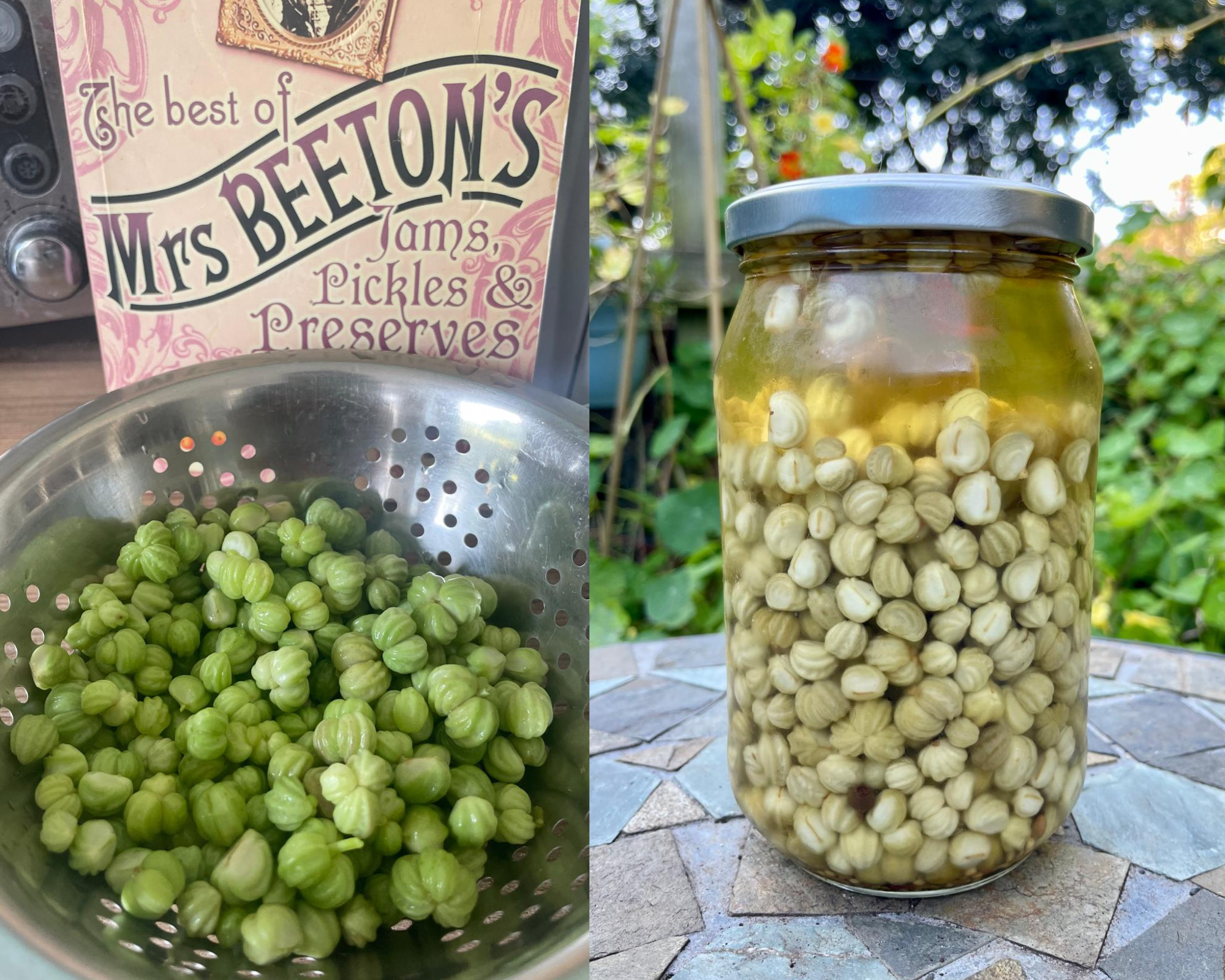
The flowers, leaves, stems and seed pods are all edible and delicious in salads and stir fries, made into pesto, or even pickled, like capers (see image below). They are a versatile plant with an intriguing, peppery flavour. The only thing I don’t particularly like is the smell that’s released when you pick the leaves, which is a fantastic defence mechanism and very effective at limiting this hominid’s overgrazing.

In Welsh, nasturtiums are called Meri a Mari and/or Capan Cornicyll (dunce’s hat) – not a particularly nice name. I think a translation for pixie hat would be much more suitable – het picsi or het pwca(?!). Apparently, the Swedish botanist and taxonomist Carl Linnaeus named the genus, tropaeum, from the Greek for trophy, tropaion, inspired by the Roman custom of erecting a trophy taken from their vanquished foes – the flowers reminding Linnaeus of blood stained helmets. Again, some truly delightful imagery. I’m firmly in the pixie hat corner. 

Some random nasturtium facts

  • Tropaeolum, native to South and Central America, were introduced into Europe in the 1600s.
  • They were given their common name, nasturtium, for their similarity to watercress (nasturtium officinale) and often used like cress in salads. 
  • Some varieties are grown for their tuberous roots, such as Mashua (Tropaeolum tuberosum), an ancient Incan crop, and still a popular root vegetable today in the Andes, where it is also used as an aphrodisiac. 
  • Combined with horseradish root, nasturtiums are used to make a herbal antibiotic, Angocin Anti-Infekt N. A memorable name, if ever there was one.  

Above: some examples of the colour varieties as a result of cross-pollination.

Above: delicious, pickled nasturtium seed pods in a spiced vinegar.

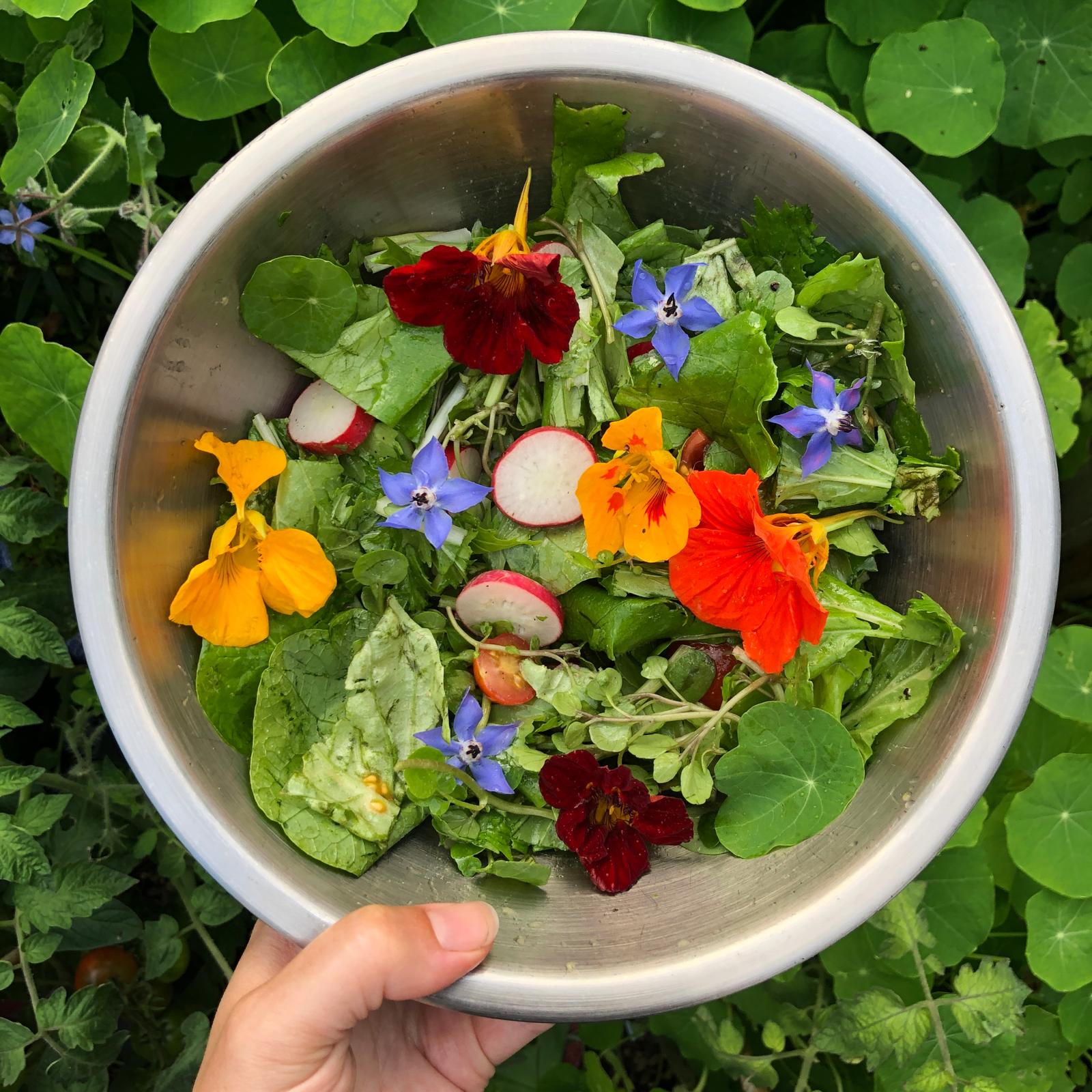
A colourful salad picked fresh from the garden with zero travel miles – just a few steps to the garden and back! With nasturtium leaves and flowers, borage flowers, watercress, mizuna, radishes and tomatoes.

y pethau Bach | The Small things

Croeso i fy mlog natur | Welcome to my nature blog.

I’m not sure where this will go or what I will capture, but I wanted a way to record the small things that enchant me and bring me joy. These might be plants, insects, fungi or lichen. I might encounter them in our small urban garden, allotment, neighbourhood or local park, or perhaps along the coastline or verdant hills of my home country, Wales. I might include a sketch, painting or photograph, an interesting fact or story. I might also reflect on the things I encounter through my work for a climate change charity. I think I will let this evolve in its own way, without too much thought to direction.

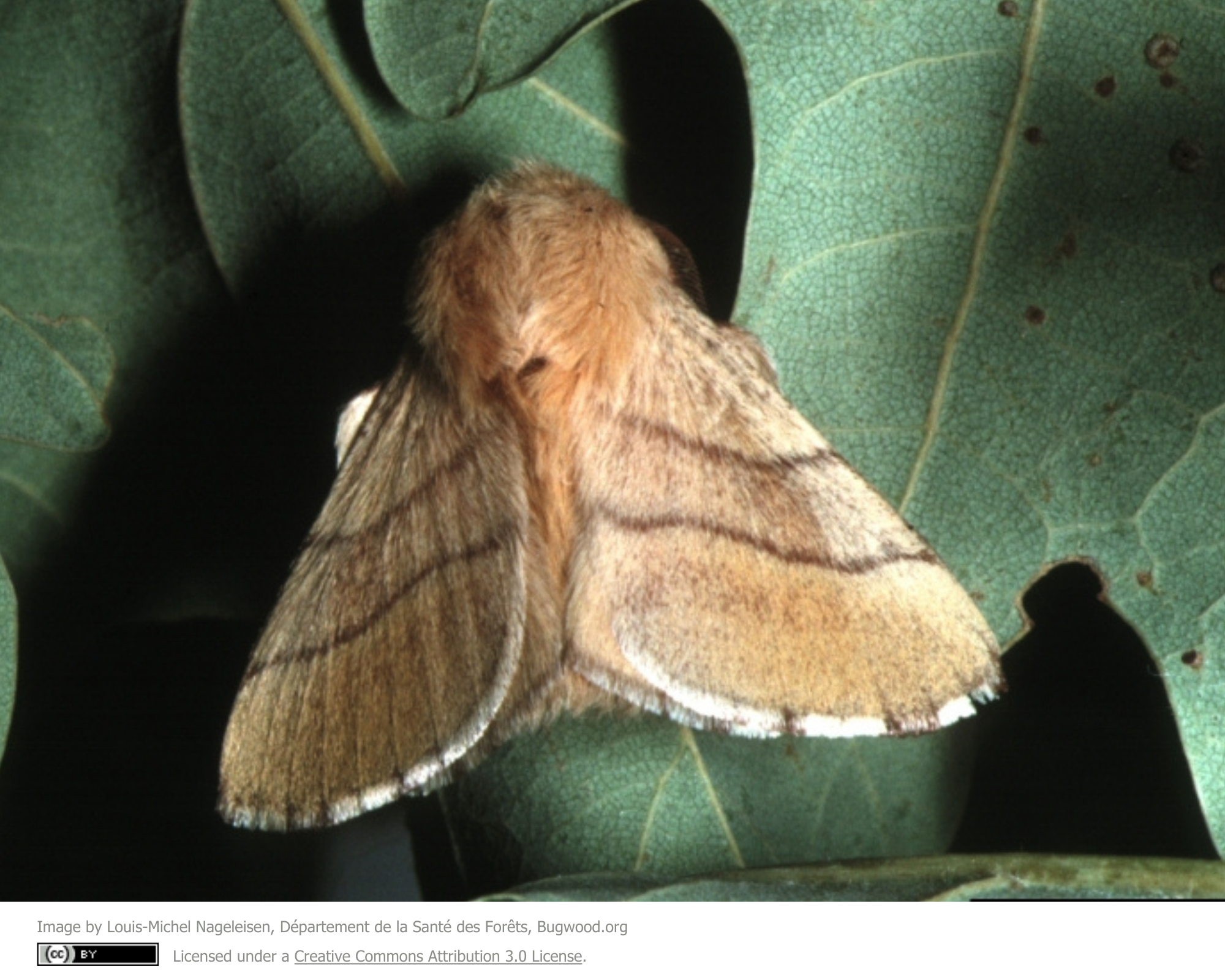
So, I’ll begin with this watercolour I painted recently of a Lackey moth caterpillar I spotted in our garden. These caterpillars have the most beautiful little faces! The Lackey moth itself, Malacosoma neustria, has quite a dull colouring in comparison, (see picture below), but the caterpillars are stunningly striped in blue, white and orange. After over wintering, they hatch from a ring-like egg cluster and live together in a spun silk web on deciduous trees, such as hawthorn and apple, until they are fully grown and ready to begin their metamorphosis.

In Welsh, the name for caterpillar is Siani Flewog, which translates as ‘hairy’ or ‘furry Jenny’!

To learn more about the captivating life of a caterpillar (or Siani flewog), ThoughtCo. has some fascinating facts! https://www.thoughtco.com/fascinating-facts-about-caterpillars-1968169